
I Dream Like You: Stories We Walk Past | Saker Mistri
₨ 632.00 ₨ 443.00
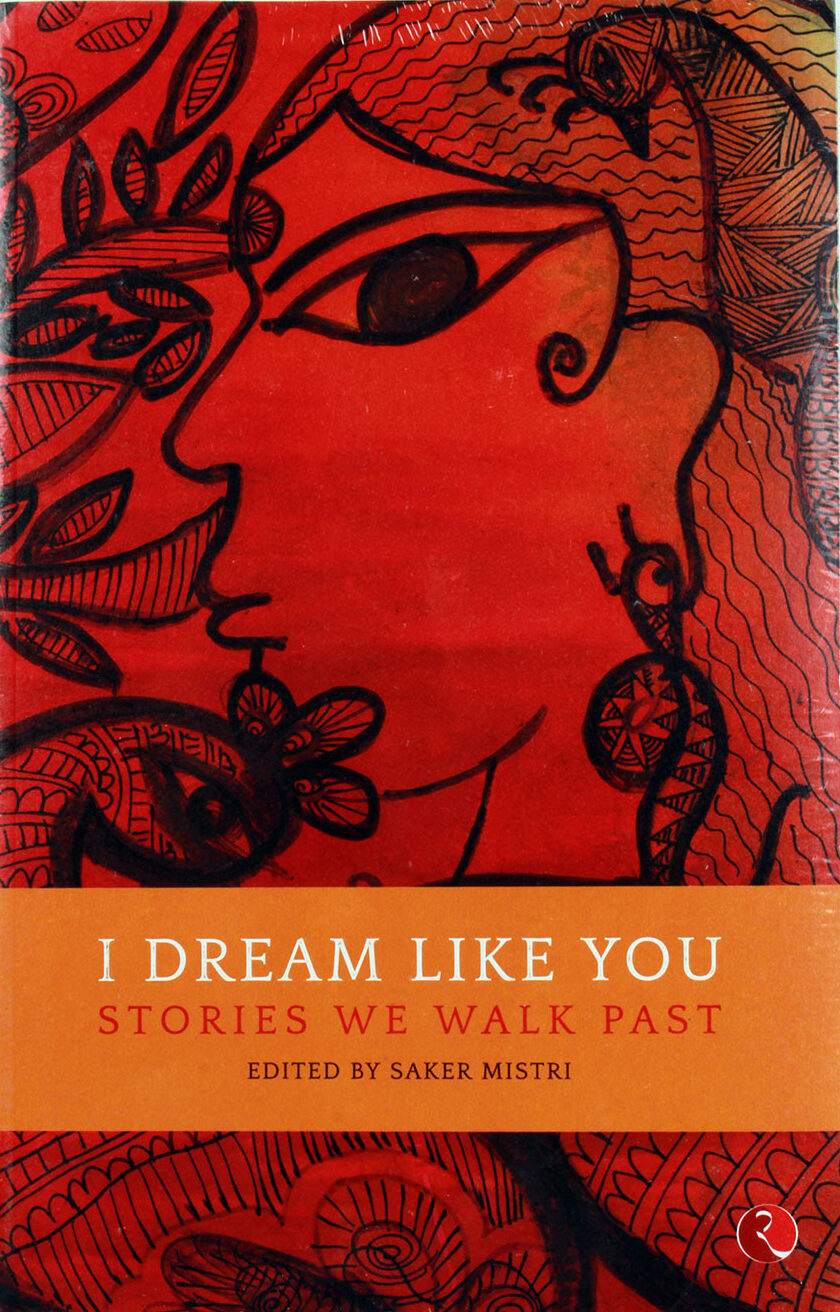
Their dreams were not too different from ours. Each one achieved success—school principal, poet, police constable, chartered accountant and social entrepreneur. But the road was long, the hurdles seemingly unpassable. The real-life narratives of the twenty-five young writers in this book reveal the bridges they built between the slum communities they were born in and the world outside.
These are stories we walk past, faces we don’t stop to notice. These voices show a maturity beyond their years, reminding us that honesty, courage, success and compassion are in each one of us if we are given the right opportunities to develop them.
1 in stock
Their dreams were not too different from ours. Each one achieved success—school principal, poet, police constable, chartered accountant and social entrepreneur. But the road was long, the hurdles seemingly unpassable. The real-life narratives of the twenty-five young writers in this book reveal the bridges they built between the slum communities they were born in and the world outside.
These are stories we walk past, faces we don’t stop to notice. These voices show a maturity beyond their years, reminding us that honesty, courage, success and compassion are in each one of us if we are given the right opportunities to develop them.
Related products

‘To be sure, When Google Met WikiLeaks is a vital book, an admirably direct and clear-eyed attempt to make sense of the modern-day privacy and freedom of speech debates’—The Sunday Guardian
‘For those interested to know how present-day geopolitics, surveillance, censorship and publishing (if not foreign policy itself) are being shaped by the gods of the internet, this is recommended reading’—The Telegraph
‘In When Google Met Wikileaks, Assange makes a case for the dark net by suggesting that the open web site we all know best has sinister intentions’—The Independent
‘The most important accomplishment of the book may be the connection Assange establishes between the Google Politic and the ambitions set loose in Digital Age’—Prague Post

Choudhury, here, reignites the debate over the appropriation of Ambedkar. Amidst rising echoes for Ambedkar-Marx, Ambedkar-Marx-Bhagat Singh, Ambedkar-Marx-Gandhi-Bhagat Singh, he provocatively asks us to think of Ambedkar’s singular exceptionality—from an excerpt in Indian Cultural Forum
What is most interesting about this difficult but beautiful book is that it is committed to the task of exposing the naked antagonisms that snake across the cracked surfaces of these oppressive structures. —Scroll.in
Nowadays when Ambedkar scholarship has become an industry, Choudhury’s thesis approaches him from an entirely new perspective.—The Telegraph

Jotiba Phule’s Fight for Liberty
Story: Srividya Natarajan
Art: Aparajita Ninan
In 1873, Jotirao Govindrao Phule wrote Gulamgiri (Slavery), a scathing, witty attack on the Vedas as idle fantasies of the brahman mind which enslaved the shudras and atishudras. A hundred and forty years hence, Srividya Natarajan and Aparajita Ninan breathe fresh life into Phule’s graphic imagination, weaving in the story of Savitribai, Jotiba’s partner in his struggles.
In today’s climate of intolerance, here’s a manifesto of resistance—Phule setting the dynamite of thought to the scriptures and ideas Hindus hold dear.

This Ideas Of Lenin And Trotsky Are Without Doubt The Most Distorted And Slandered In Histoy. For More Than Eighty Years, They Have Been Subjected To An Onslaught From The Apolgists Of Capitalism, Who Have Attempted To Present Their Ideas – Bolshevism – As Both Totalitarian An Utopian. An Entire Industry Was Developed In An Attempt To Equate The Crimes Of Stalinism With The Regime Of Workers’ Democracy That Existed Under Lenin And Trotsky.
Authors : Alan Woods, Ted Grant
Publisher : Aakar Publications
Reviews
There are no reviews yet.