
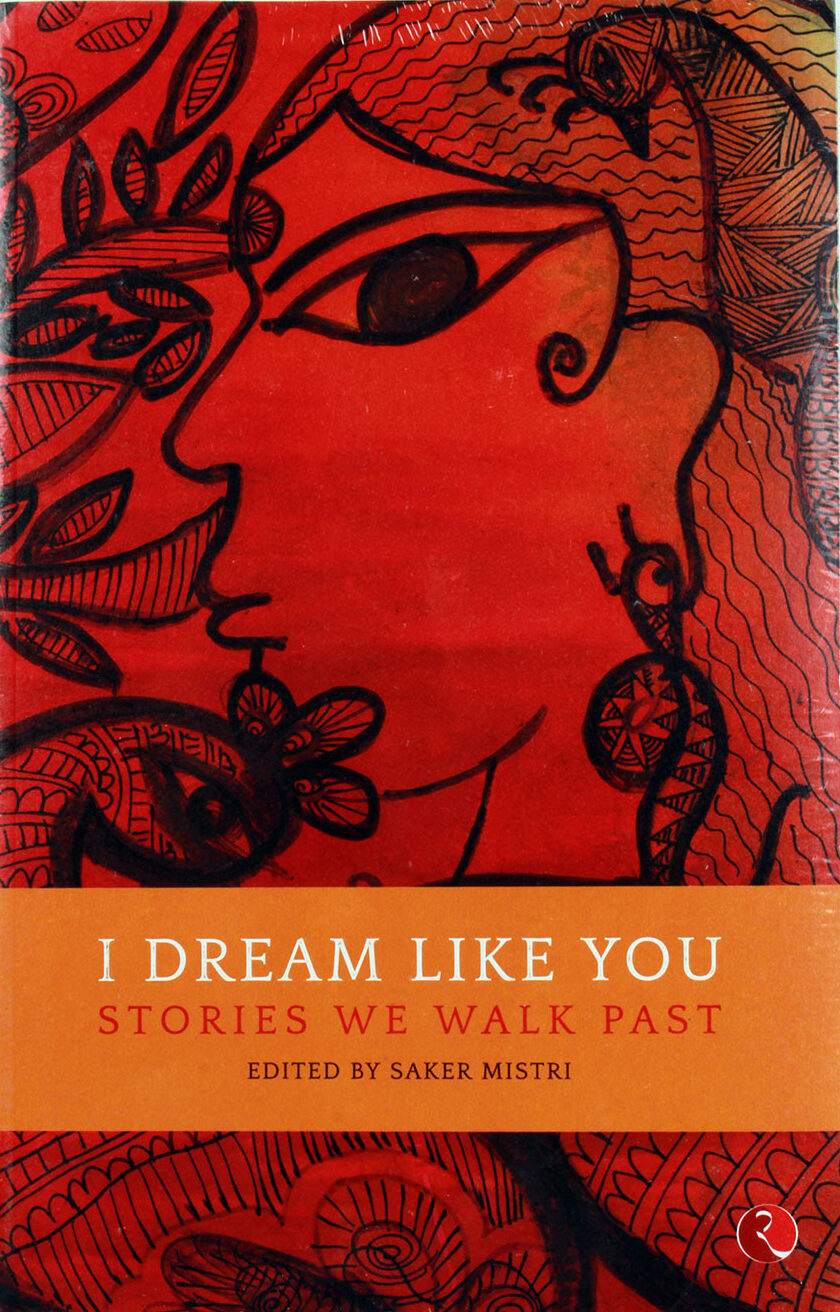
I Dream Like You: Stories We Walk Past | Saker Mistri
₨ 632.00 ₨ 443.00
Their dreams were not too different from ours. Each one achieved success—school principal, poet, police constable, chartered accountant and social entrepreneur. But the road was long, the hurdles seemingly unpassable. The real-life narratives of the twenty-five young writers in this book reveal the bridges they built between the slum communities they were born in and the world outside.
These are stories we walk past, faces we don’t stop to notice. These voices show a maturity beyond their years, reminding us that honesty, courage, success and compassion are in each one of us if we are given the right opportunities to develop them.
1 in stock
Their dreams were not too different from ours. Each one achieved success—school principal, poet, police constable, chartered accountant and social entrepreneur. But the road was long, the hurdles seemingly unpassable. The real-life narratives of the twenty-five young writers in this book reveal the bridges they built between the slum communities they were born in and the world outside.
These are stories we walk past, faces we don’t stop to notice. These voices show a maturity beyond their years, reminding us that honesty, courage, success and compassion are in each one of us if we are given the right opportunities to develop them.
Related products

‘To be sure, When Google Met WikiLeaks is a vital book, an admirably direct and clear-eyed attempt to make sense of the modern-day privacy and freedom of speech debates’—The Sunday Guardian
‘For those interested to know how present-day geopolitics, surveillance, censorship and publishing (if not foreign policy itself) are being shaped by the gods of the internet, this is recommended reading’—The Telegraph
‘In When Google Met Wikileaks, Assange makes a case for the dark net by suggesting that the open web site we all know best has sinister intentions’—The Independent
‘The most important accomplishment of the book may be the connection Assange establishes between the Google Politic and the ambitions set loose in Digital Age’—Prague Post

Fanshen: A Documentary of Revolution in a Chinese Village is a 1966 book by William H. Hinton that describes the land-reform campaign during the Chinese Civil War conducted from 1945 to 1948 by the Chinese Communist Party in “Long Bow Village” (the name used in the book for the village of Zhangzhuangcun in Shanxi province). Hinton lived in the village in spring and summer of 1948 and witnessed scenes described in the book and recreates earlier events based on local records and interviews with participants. He explains party strategy to present the campaign’s successes in building a revolutionary consciousness and a power-base among the poor peasants, but also its errors and excesses, especially the violence toward rich peasants and landlords. Fanshen has been compared to Edgar Snow’s Red Star Over China and characterized as “perhaps the book that most changed American cold war perceptions of the Chinese Revolution.”
Originally published: 1966
Author: William H. Hinton

Purple Hibiscus is set in postcolonial Nigeria, a country beset by political instability and economic difficulties. The central character is Kambili Achike, aged fifteen for much of the period covered by the book, a member of a wealthy family dominated by her devoutly Catholic father, Eugene. Eugene is both a religious zealot and a violent figure in the Achike household, subjecting his wife Beatrice, Kambili herself, and her brother Jaja to beatings and psychological cruelty.
The story is told through Kambili’s eyes and is essentially about the disintegration of her family unit and her struggle to grow to maturity. A key period is the time Kambili and her brother spend at the house of her father’s sister, Ifeoma, and her three children. This household offers a marked contrast to what Kambili and Jaja are used to. It practices a completely different form of Catholicism, making for a happy, liberal place that encourages its members to speak their minds. In this nurturing environment, both Kambili and Jaja become more open and more able to voice their own opinions. While at Aunty Ifeoma’s, Kambili also falls in love with a young priest, Father Amadi, which awakens her sense of her own sexuality.
Purple Hibiscus is an exquisite novel about the emotional turmoil of adolescence, the powerful bonds of family, and the bright promise of freedom.

‘Angela Davis swings a wrecking ball into the racist and sexist underpinnings of the American prison system’—Cynthia McKinney, former Congresswoman, US.
Davis’ central point is worth studying and bringing to the foreground in the prison reform movement. She argues that prisons do not solve crime. Within the last two decades the prison boom simply has intensified the criminalization of certain types of behavior, rather than having brought official crime rates down.—http://www.politicalaffairs.net
Reviews
There are no reviews yet.